
Developers: What documents do you need for BNG?
Biodiversity Net Gain (BNG) Report
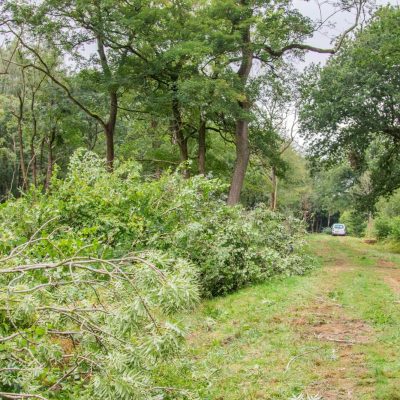 The first step in meeting biodiversity net gain requirements is to obtain a baseline assessment using the most up-to-date version of the Defra statutory biodiversity metric. This will tell you how many biodiversity units are present on your development site before works have taken place. This assessment must be completed by a qualified ecologist, who must then also calculate the change in biodiversity units expected on the development site after building has taken place.
The Statutory Biodiversity Metric and user guides can be found on the gov.uk website.
Statutory biodiversity metric tools and guides – GOV.UK
This report will help guide development decisions, as avoidance of habitat loss should be prioritised and on-site gains are often preferred by local authorities above off-site unit purchase.
However, for some developments providing BNG off-site will be the right outcome.
To secure planning permission a developer will need to submit a Biodiversity Gain Plan for approval prior to commencement of their development. This will explain how they will deliver a minimum 10% BNG uplift and whether this will be on-site, off-site or both.
Biodiversity Gain Plan
A Biodiversity Gain Plan can be submitted to your local planning authority after your planning application has been approved. The must include:
- A completed metric calculation [from your biodiversity net gain report]
- Pre-development and post-development plans [from your biodiversity net gain report]
- BNG register reference numbers if purchasing units from an off-site provider
- A Habitat Management and Monitoring Plan for significant on-site provision of Biodiversity Units
Habitat Management and Monitoring Plan (HMMP)
Where significant on-site Biodiversity Units are included as part of a development a developer will need to prepare a Habitat Management and Monitoring Plan. This report sets out in detail what you plan to do in terms of creating and enhancing habitats and how you plan to manage and monitor the site for at least 30 years. You should work with a qualified ecologist to create this plan and it must be agreed with the local planning authority. You will need to give information on:
- How you plan to manage your site, taking into account any legal requirements
- When and how you will monitor the site
- How you will restore the site if the management plan isn’t working
Natural England have created a template on what is needed in creating a HMMP.
Legal Agreements
Legal agreements may be needed for significant on-site gains. These are likely to be secured through a planning obligation (s106) with the local planning authority.
Where off-site gains are required, you may purchase Biodiversity Units from an off-site BNG provider where the Biodiversity Units are already legally secured and registered on the Government’s official Biodiversity Gain Sites Register.
However, some developers may select a site that does not yet have a legal agreement in place, and get a legal agreement secured on it. The legal agreement may either be:
- A S106 agreement with the local planning authority
- A Conservation Covenant with a Responsible Body
The legal agreement outlines the commitment to creating or enhancing habitats, and that the habitats will be managed in the described way for a minimum of 30 years. You will need to agree how the units will be allocated, for example to one or more off-site providers. You need to state who will register the enhancement and the unit allocation on the Biodiversity Gain Sites Register i.e. if this is the developer, landowner or land manager.
A full step by step guide to the Biodiversity Net Gain process for developers can be found on the gov.uk website.
Meet biodiversity net gain requirements: steps for developers – GOV.UK
Landowners: How to get your land BNG ready?
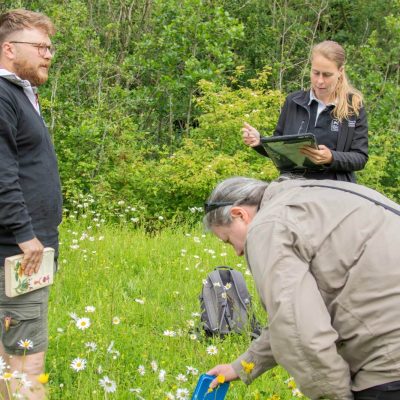 The documents needed for landowners are very similar to those needed by developers, although there are a few differences, the main one being there is no need to submit a Biodiversity Gain Plan as a landowner.
Biodiversity Net Gain report
The first step in getting your land ready for biodiversity net gain is to have a baseline assessment of your land carried out using the latest version of the Defra statutory biodiversity metric. This will inform you of how many units are present on your site before the proposed habitat restoration / creation.
This assessment must be completed by a qualified ecologist, who must then also calculate the change in biodiversity units expected on the site after the proposed habitat creation and enhancement has happened. An ecologist will guide you on what kind of restoration is possible and then determine the total number of units you will be able to sell over the 30 years.
The Statutory Biodiversity Metric and user guides can be found on the gov.uk website.
Statutory biodiversity metric tools and guides – GOV.UK
Legal Agreements
Landowners will need legal agreements covering their biodiversity off-setting site and the proposed works. There are two options:
1. Enter into a section 106 agreement with your local planning authority
2. Agree a conservation covenant through a Responsible Body.
The agreement must outline the commitment to creating or enhancing habitats and how that habitat will be managed for at least 30 years. You will need to agree how Biodiversity Units will be allocated, for example to one or more developments, and you will need to state who will register the unit allocation on the national Biodiversity Gain Sites Register.
These agreements will also outline what happens if units are not delivered, or the management plan is not adhered to. They will also state what happens if Biodiversity Units are not sold, or if you wish to cease selling
Biodiversity Units. Legal agreements can be secured before or after agreeing the sale of units with a developer.
Habitat Management and Monitoring Plan (HMMP)
This document sets out in detail how you will manage and monitor your biodiversity off-setting site. It provides a detailed schedule of what you plan to do in terms of creating and enhancing habitats and how you plan to manage and monitor the site for at least 30 years. You should work with a qualified ecologist in the creation of this plan and it must be agreed with either the local planning authority or the responsible body.
You will need to give information on:
- How you plan to manage your site, taking into account any legal requirements
- When and how you will monitor the site
- How you will restore the site if the management plan isn’t working
Natural England have created a template and more information on what is needed in creating a HMMP.
Registering your site on the government Biodiversity Gain Sites Register
This can be completed by a landowner, or with the landowner’s permission, a land manager or agent. A site must be registered in order for off-site units to be allocated between a landowner site and a development project.
A full step by step guide to the Biodiversity Net Gain process for land managers can be found on the gov.uk website.
Meet your BNG requirements: steps to take for land managers – GOV.UK
Ready to Get Started?
Contact us today to get started on the process. If you have any questions we will be more than happy to advise.